About Me

My photo
I'm an Aussie who likes wandering all over the world but keeps coming back home to paradise and my family. If you are reading this on one of my travel blogs, I hope you enjoy reading them as much as I enjoyed creating them. If you are reading the Diabetes and weight loss blog - I hope it helps in your battle with the beast. Cheers, Alan

Friday, November 24, 2006

Pompeii, Amalfi, Bari


We didn't book ahead for Pompeii. We had been happy in the mobilhome in the caravan park at Anguillara Sabazia, so we took a chance on a motel-style room in the caravan park immediately opposite the ruins. It was very basic, but the plumbing worked, bed was comfy, the place was clean, it was a perfect location - what more could you need for €28 (well, maybe a less grumpy manager:-)
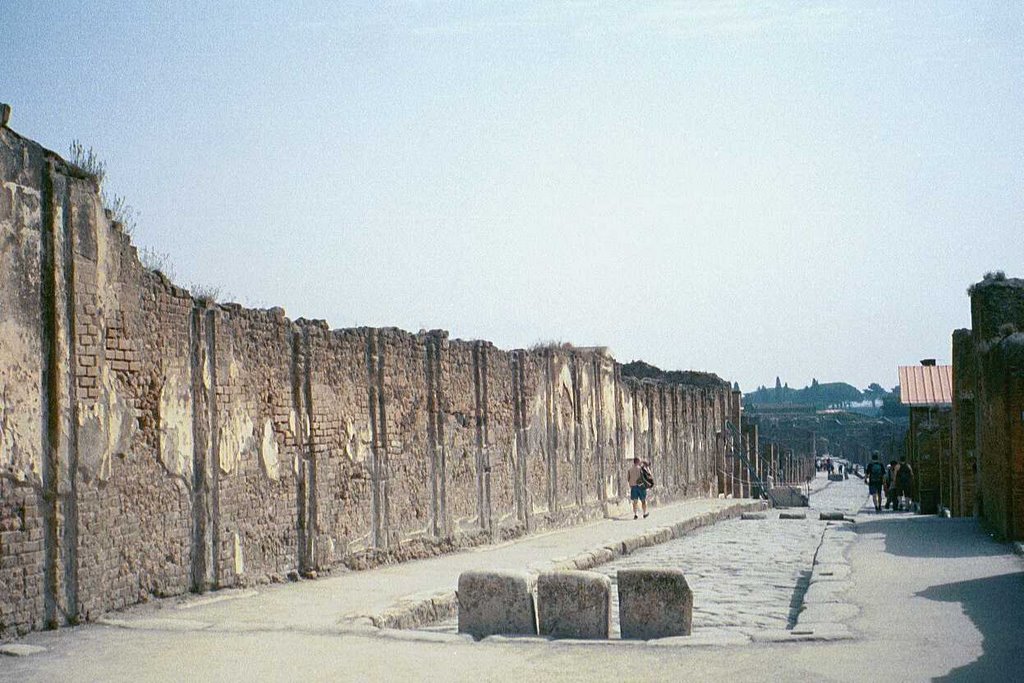
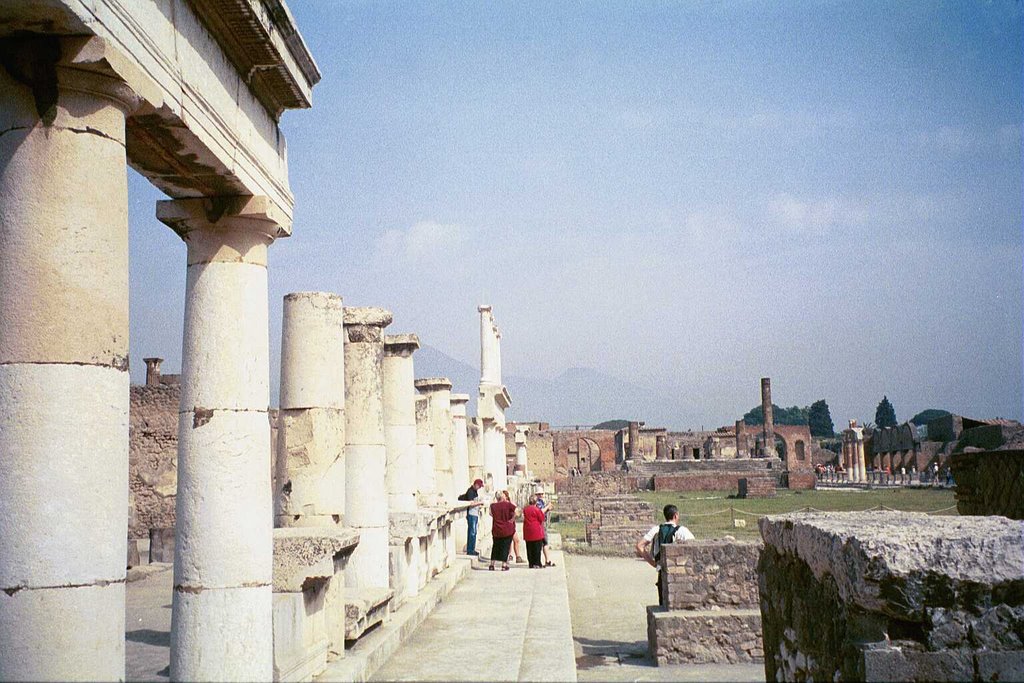

Of course, the first thing we did was to spend a day in the ruins.

After the Forum, it was a quite different atmosphere. Less pomp and reminders of past glory, but a closer feeling of relationship with the people who lived in this town and died so suddenly so many centuries ago. It had the feeling of a sacred place to me; a place that should be forever preserved to remind us that we are inconsequential when nature gets angry. Vesuvius was visibly smoking in the distance.
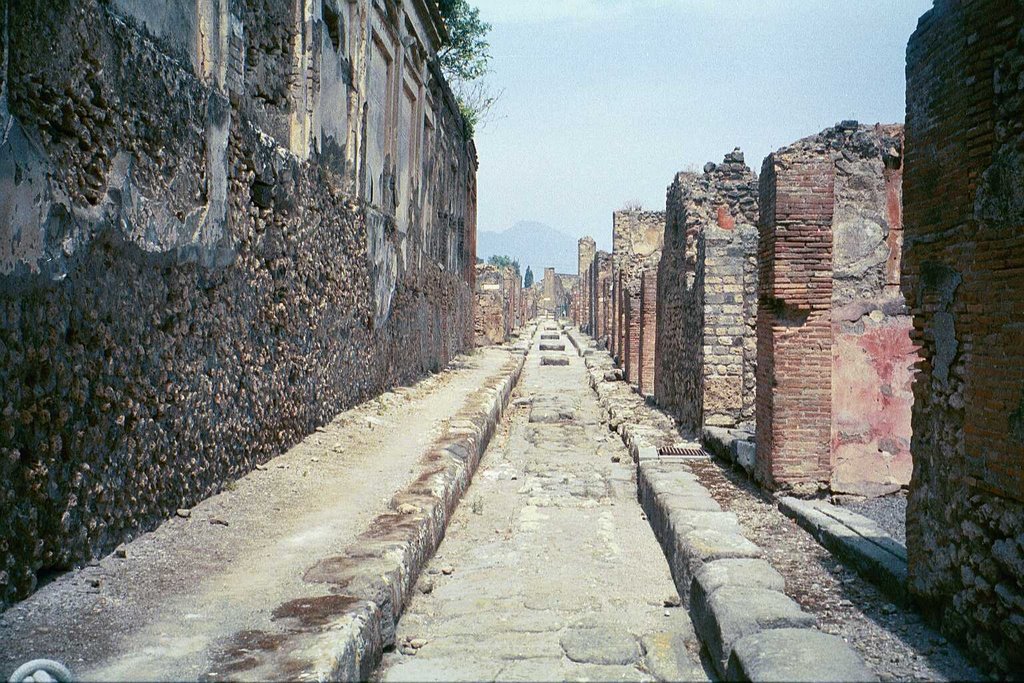
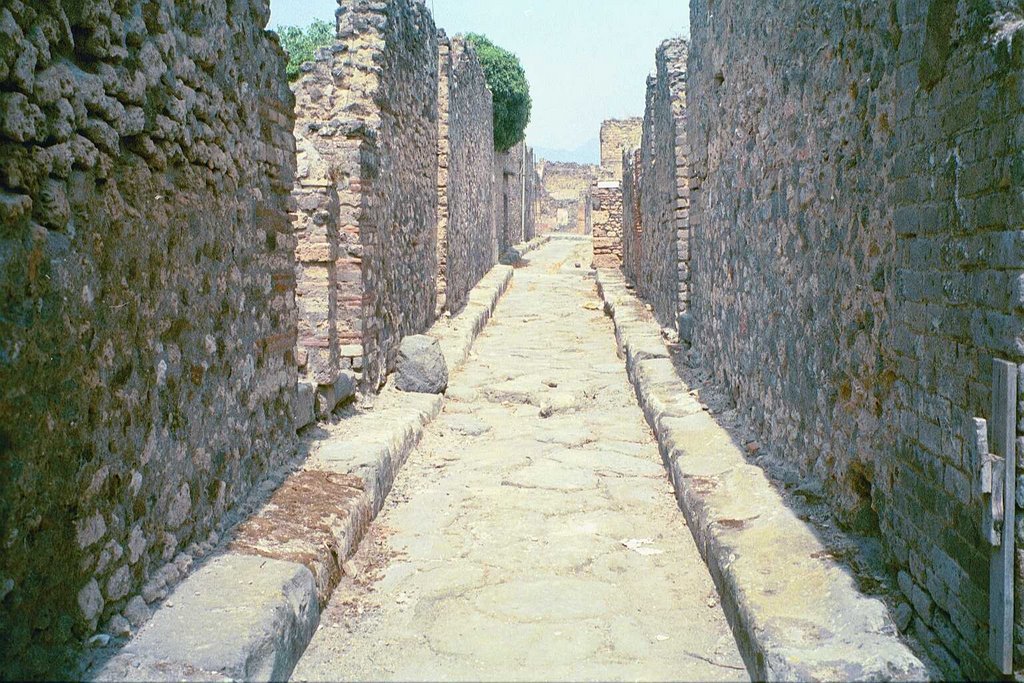


The little everyday things interested me. The bakery, with the ovens and storage jars; or the stepping stones in the street - exactly positioned so carts could pass unimpeded but pedestrians didn't need to step in the muck on the roads. We wandered, and listened in to passing groups with guides, but mainly wandered at our own pace.


The mummified bodies, both human and animal, were sad and fascinating.


The horror of that August day in 79AD is almost unimaginable - but their misfortune preserved a piece of history for us. For those interested in the history, there are excellent descriptions here: Interactive Dig and here: Pompeii: Portents of Disaster

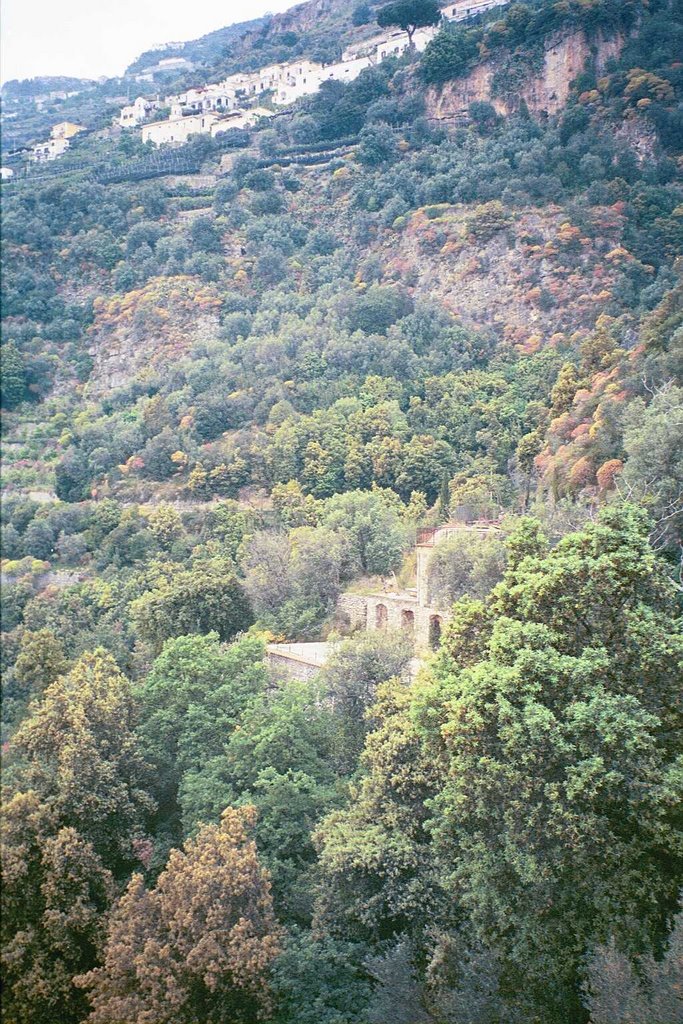
En-route to Pompeii we drove through Naples, and later we spent an afternoon driving around the Amalfi Coast via Sorrento and Positano; we returned over the hills through Pimonte.

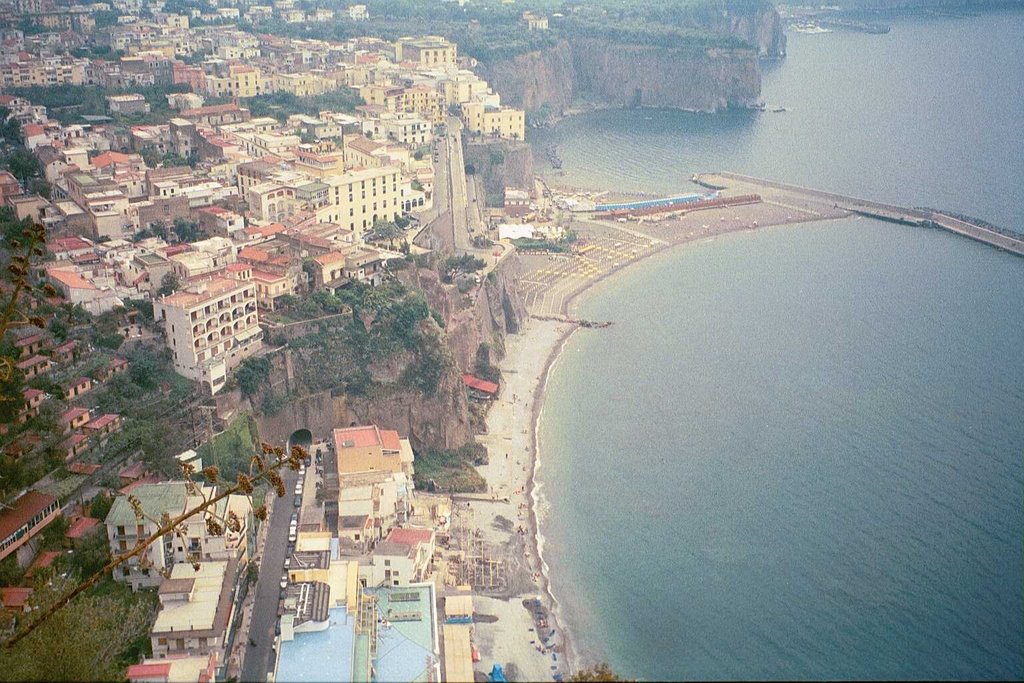

Those two driving experiences were exhilarating, interesting - and at times - terrifying. I thought nothing would worry me after Rome. Wrong.

Two examples.


In Naples, at one stage we got caught in an immovable traffic jam in a one-lane each way road. The opposite lane was moving OK, but ours was at a dead stop. So, as far as the Neapolitans were concerned, the opposite lane was an acceptable alternative - even though there was traffic heading in the opposite direction. At one stage a guy pulled out from behind me (after tooting me incessantly for not getting out of his road) and then forced the opposing car to stop and reverse into a service station to allow him through. The fascinating part was that the opposing driver seemed to think nothing of it, just another day on a Naples road.


On the Amalfi coast, with it's stunning scenery, the road is also narrow and winding, with successive hairpin bends for long distances. At one stage as we climbed on the outside lane, with a sheer drop to the ocean on our right, a giant tour bus was coming down and around the hairpin. We had to stop, and it became clear we had to reverse to make room for the bus. We would reverse about half a metre and the car behind us would reverse; in a chain reaction the gradually growing "tail" of cars behind would then shuffle backwards. If the bus had waited we could have manoeuvred much more easily and quickly - but no - the idiot bus driver would immediately move into the space we made. It took about fifteen minutes to make the room - with all the drivers tooting for most of it. But we survived. If I ever visit the Amalfi again - I won't drive it:-)

The next day we headed East, towards the Adriatic Coast, intending to stay somewhere near Bari or Brindisi and take a ferry to Greece. On the way, of course, we got lost before we emerged from Pompeii and discovered an interesting Autostrada that was four lanes wide - until you found yourself in a field with a few sheep as company.
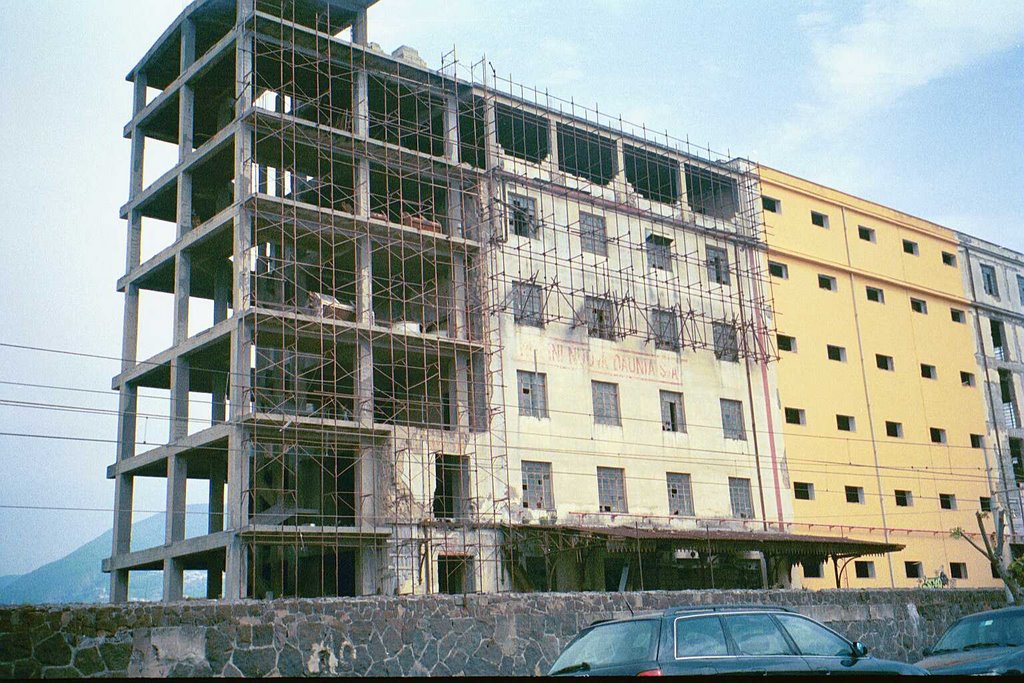


I understand that these were the result of corrupt officials in the past, when contracts were awarded for many structures that were never finished. We saw many examples in Italy.

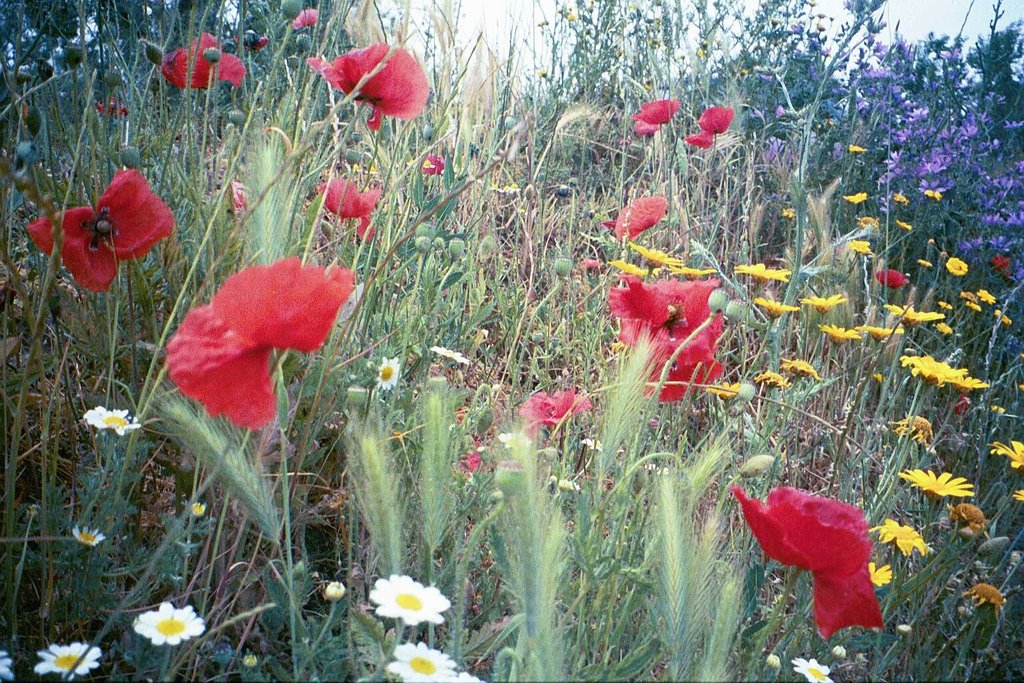
We finally crossed to the East Coast, deliberately avoiding main roads and Autostradas; the land was dramatically different - flat, fertile, smaller villages, larger towns and endless fields under cultivation. One unexpected pleasant moment occurred when we stopped to check directions and found these wildflowers beside the road.


When we reached the coast near Trani we started looking for Hotels - and discovered that in late May everything is closed. So, we had a slow, pleasant drive down the coast until we reached Bari. There we discovered that the inexpensive Ferry we had intended to take was also closed until June; after some investigation we did a deal with Superfast, which included the ferry from Bari to Patras and also the later Ferry from Patras to Venice.

As departure time was Midnight, we spent the evening in town having dinner and watching some street performers before putting the car on board and finding our cabin.
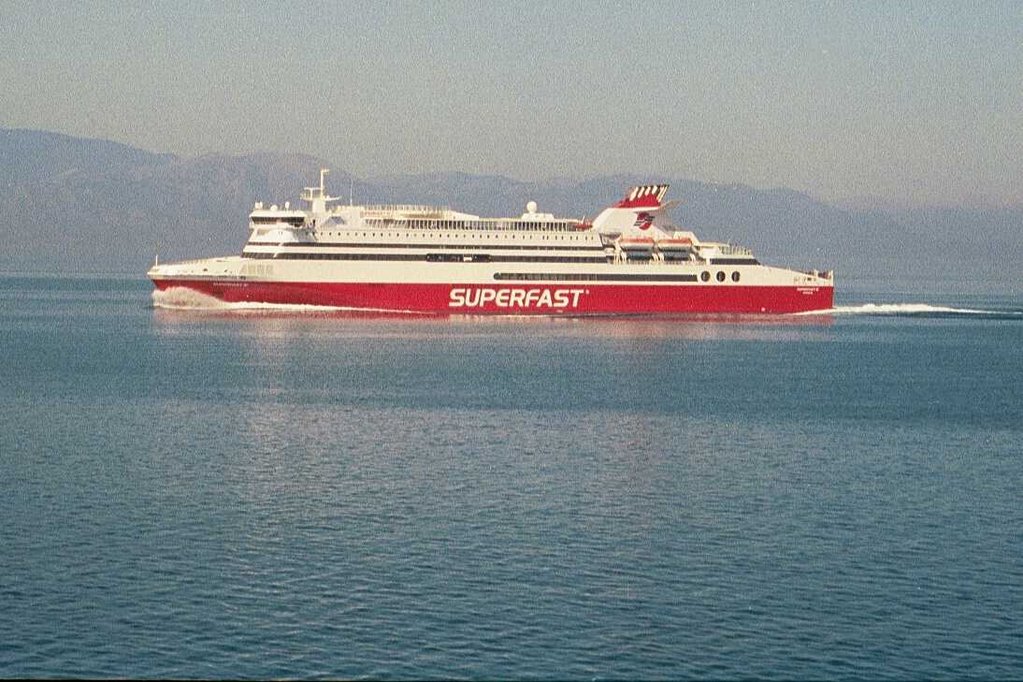


The journey was smooth and uneventful; this was our "sister-ship" which gradually overtook us on it's journey from Ancona to Corfu.

Cheers, Alan

Wednesday, November 22, 2006

Ancient Rome


When I started High School I found, rather to my surprise, that I was taking Latin for the first three years. I was hopeless at it; mercifully our teacher gave up in the third year and took to playing bag-pipes to the class and reading passages to us from "the Compleat Molesworth" by Ronald Searle of St Trinians ' fame.

He probably agreed with the ditty in the fly-leaf of my Latin Primer from a long-ago student:

Latin is a language

As dead as dead can be

It killed the Ancient Romans

And now it's killing me.

I did enjoy the Roman History segment - but detested translating "Caesar's Gallic Wars".

Oddly, many years later I came across an English translation - and found it fascinating.

Each time I came across evidence of the Ancient Romans I was awed at their civilisation - their technology and their culture, despite it's savagery by modern standards (well, most modern standards) was simply far ahead of the following thousand years. A salutary lesson for all cultures that allow corruption and complacency to become the cancers that destroy a great culture.

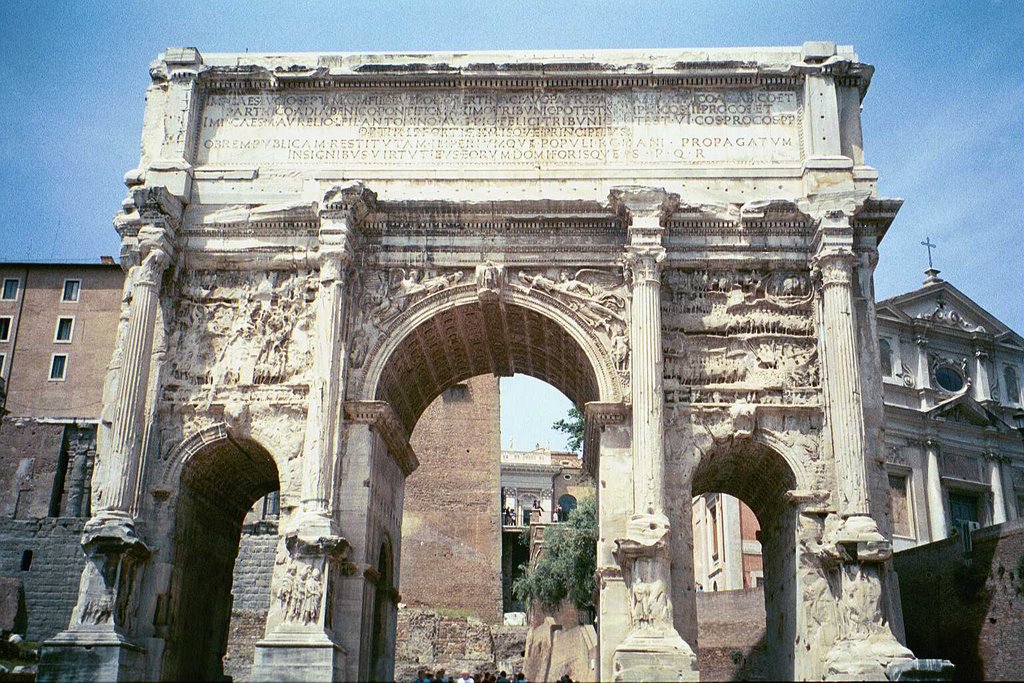
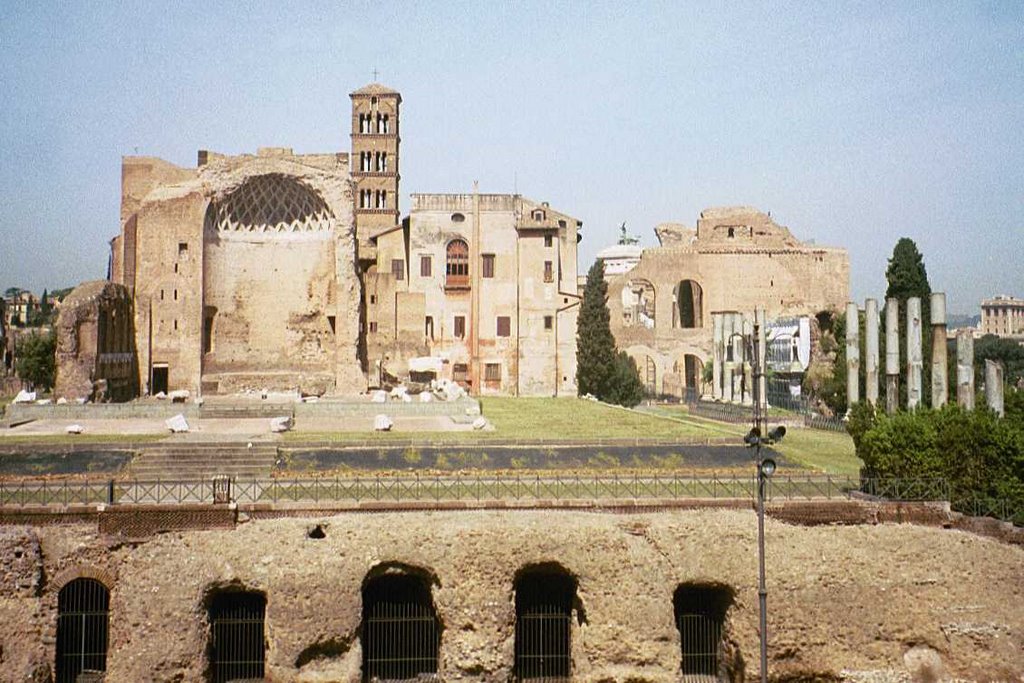
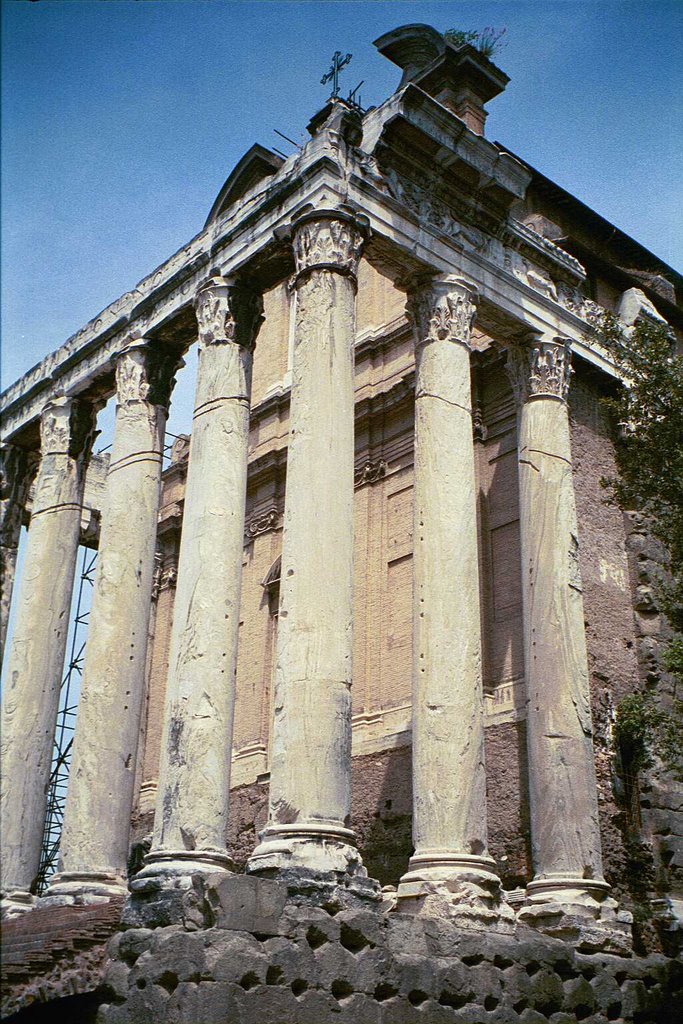
I later saw Roman ruins in many places - Pompeii, Greece, Istanbul, Pont-du-Gard, Aquileia, Trier and many others - but the pinnacle to me was undoubtedly the Forum and Colosseum.


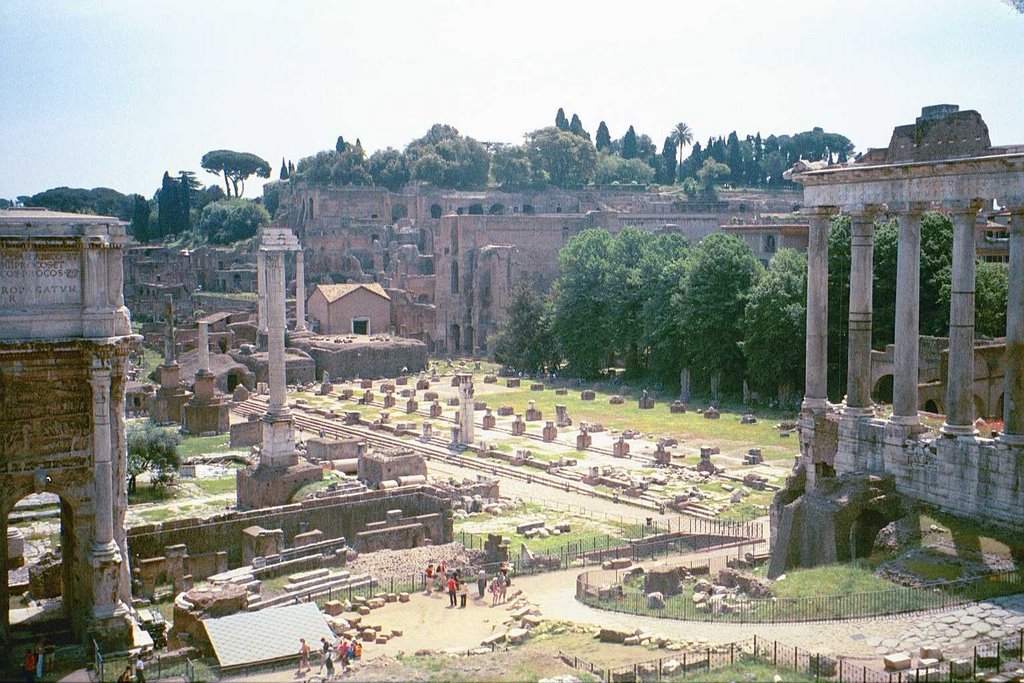
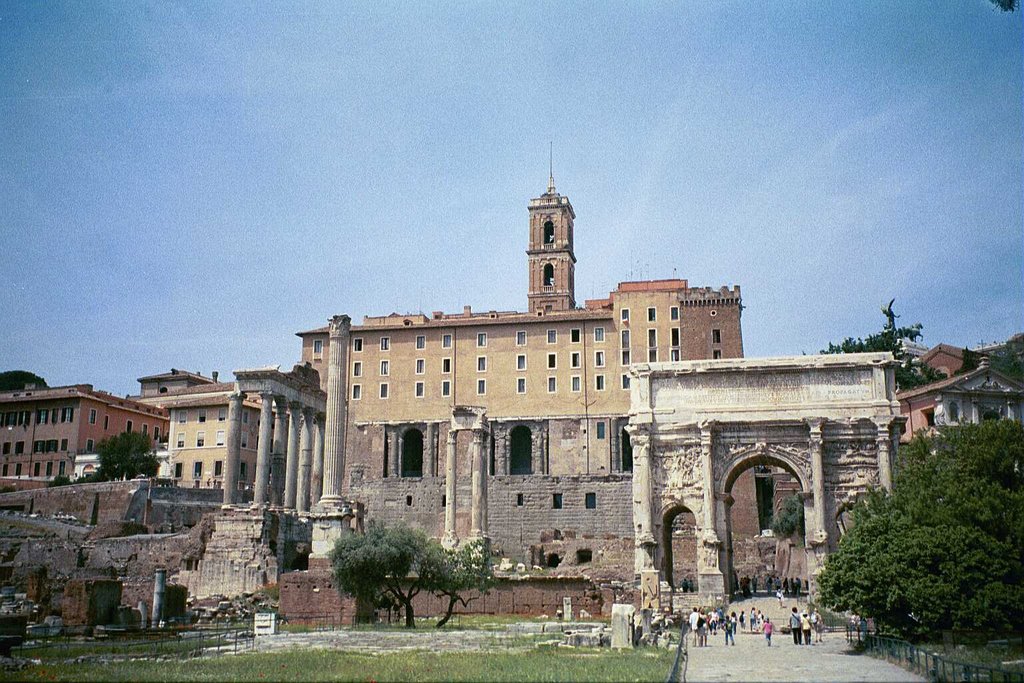
The remains are from a period of nearly 800 years or more, from 5th or 6th century BC to 3rd century AD.

The Forum is simply too big to give much detail here. I'll let the photos tell most of the story.

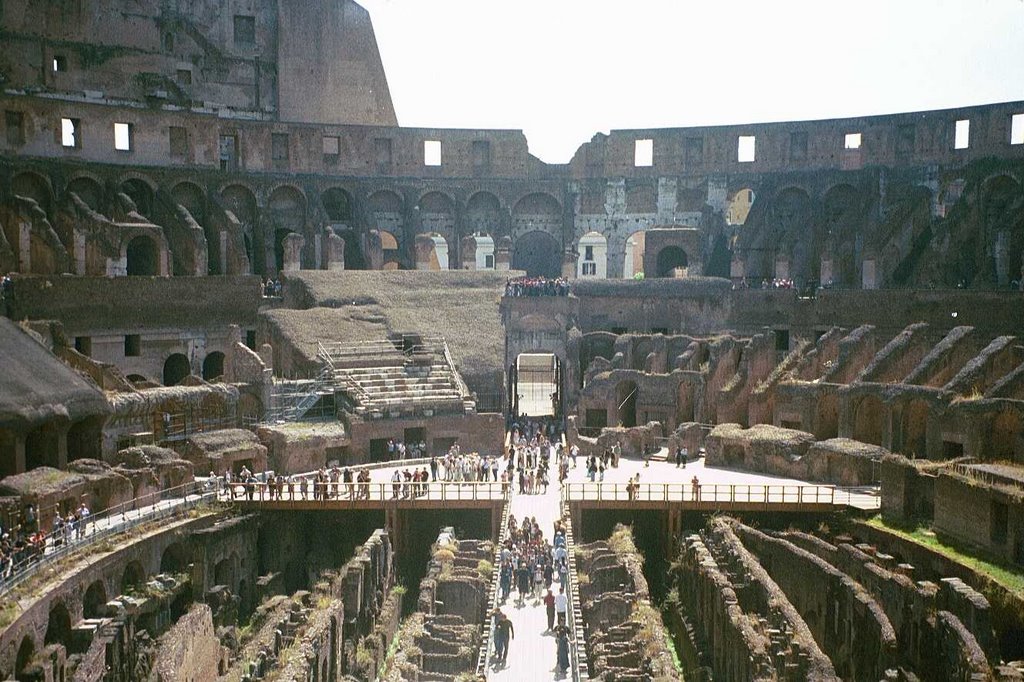
The Colosseum was completed in 80 AD only nine years after construction commenced - something that is impressive even today. Imagine the cost and complexity of building a stadium today to hold 80000 spectators, with walls 50m (about 17 stories) high, with a full underground system of chambers, able to be flooded for mock naval battles and drained for other (usually deadly) shows, and covered in inclement weather. Then face it all with marble.

Sitting in the gallery, I gazed at this underground system and pondered on those who had sat below the surface about to face death; I doubt that I could have stopped the knees shaking as I faced Caesar and said "ave, Caesar, morituri te salutamus" - hail, Caesar, we who are about to die salute you.

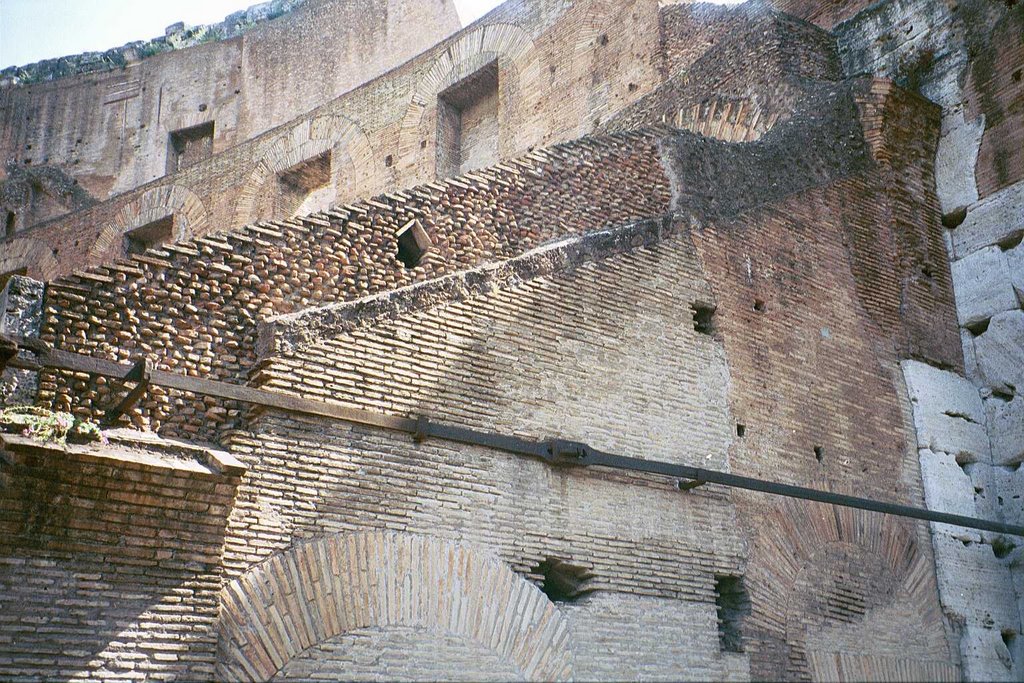
Sadly, much of it disappeared as the centuries passed; over the years it became a cemetery, then a fortress, and worst, after the 1349 earthquake, a quarry for building materials. Yet, after all that the ruins are still one of the wonders of the world. The quality of the workmanship by the bricklayers and architects is wonderful - look at the detail and keep reminding yourself it's 2000 years old. I wish my house was built that well.

Cheers, Alan

Wednesday, November 15, 2006

Rome and Lazio


Rome was a fascinating mix of ancient, mediaeval and modern. My main interests in the city were the Vatican and the Forum, but we also spent a lot of time just wandering, or sitting in cafes, or getting on public transport to see where it went. Sometimes we didn't know where we were - but you can't be lost if you don't have a destination - so we'd get on the next bus back.

We decided to stay outside Rome for a couple of reasons – not the least being the traffic. In one of my previous lives I was a cab-driver in Melbourne, mainly on the night shift. Melbourne is a large city with a population of about 4 million and all of the normal traffic problems that cab drivers face anywhere in a big city. After 17 years and about 1.5 million km as a cabbie I thought I could drive most places without getting too stressed.

But nothing had prepared me for Rome.

I had an inkling when I crossed the border from Menton and noticed that the motorscooter lane was the left one on a one lane each way road; the one that opposing drivers thought was theirs. And the motorscooters attacked in swarms, like hive insects. Whenever you stopped at the lights the clear (opposite) lane beside the front car would gradually fill with those motorscooter riders who chose to stop at the light until it was thick with a putt-putt of motorscooters in a blue haze; then when the light changed they’d hare off, somehow miraculously avoiding the oncoming traffic. I got the impression that the thrill of the drag-race start may have been their reason for stopping – because many didn’t. Like cyclists at home.

The difference in Rome was that the cars behaved like motorscooters. We did drive through a couple of times en-route to other places in Lazio, but not often. The best way I could describe it was like one of those video games my sons played, where cars would seem to appear from nowhere and zoom past you on either side – then ram their brakes on as soon as they were in front. We survived. We didn’t park in the city – it didn’t bother the locals to double- or triple-park, but we felt our bright red "I’m a tourist" Eurodrive numberplate was a tad too inviting for the local parking cops.

Of course, a week later we discovered that not even Rome had prepared us for Naples drivers.

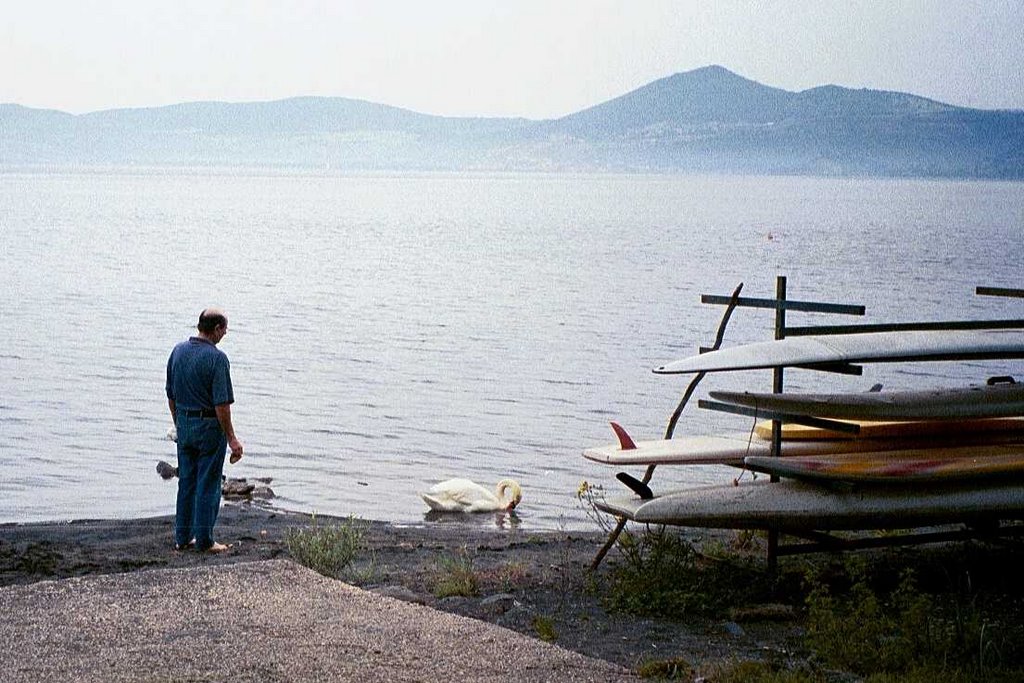
Thus we decided to stay in a pleasant little mobilhome in a Caravan Park at Anguillara Sabazia, on Lake Bracciano. The accommodation was basic – but we loved the spot. This was the view from the window – I thought I had made friends with this swan but just after this it decided I hadn’t bribed it enough and it attacked me – those birds are big!


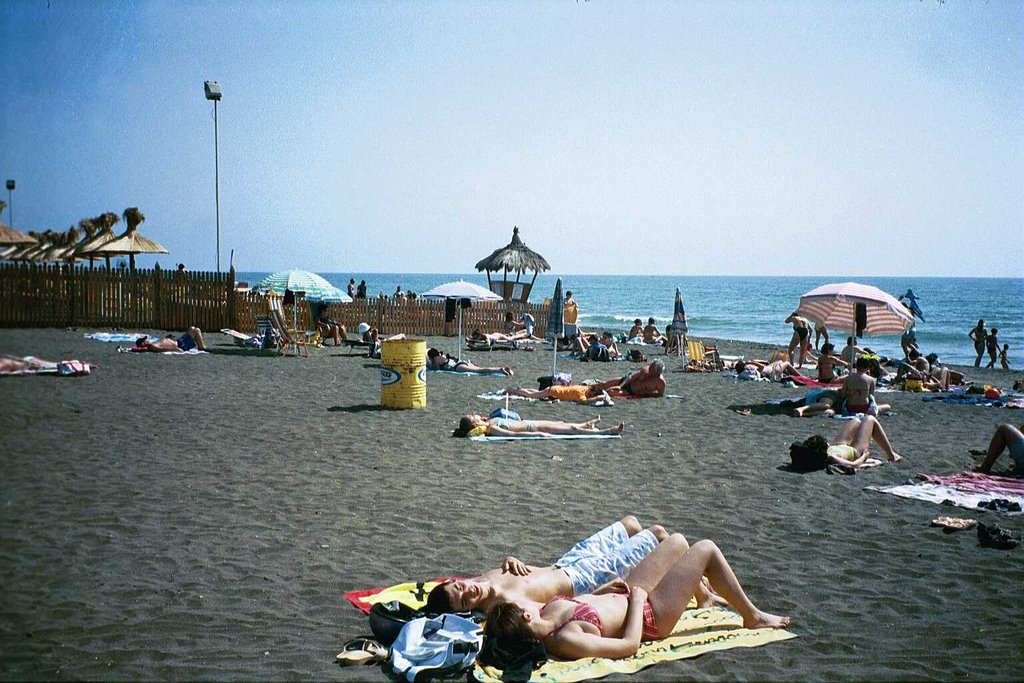
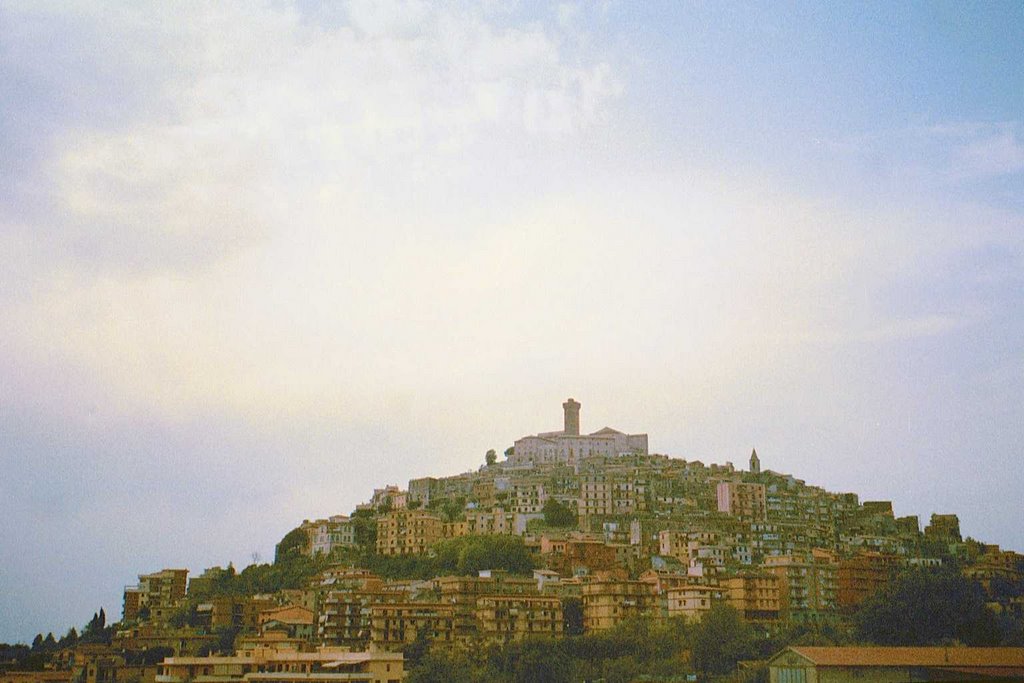
It also allowed us to relax a little, catch our breath, do the laundry, and do some local wandering by car and by train. We explored Anguillara, Bracciano and Trevignano on foot (and by mouth - lots of nice little restaurants), and went on day drives to places like the weird black sand beach (somewhere west of Cervetari from memory), the Tivoli, and the surrounds of Rome.


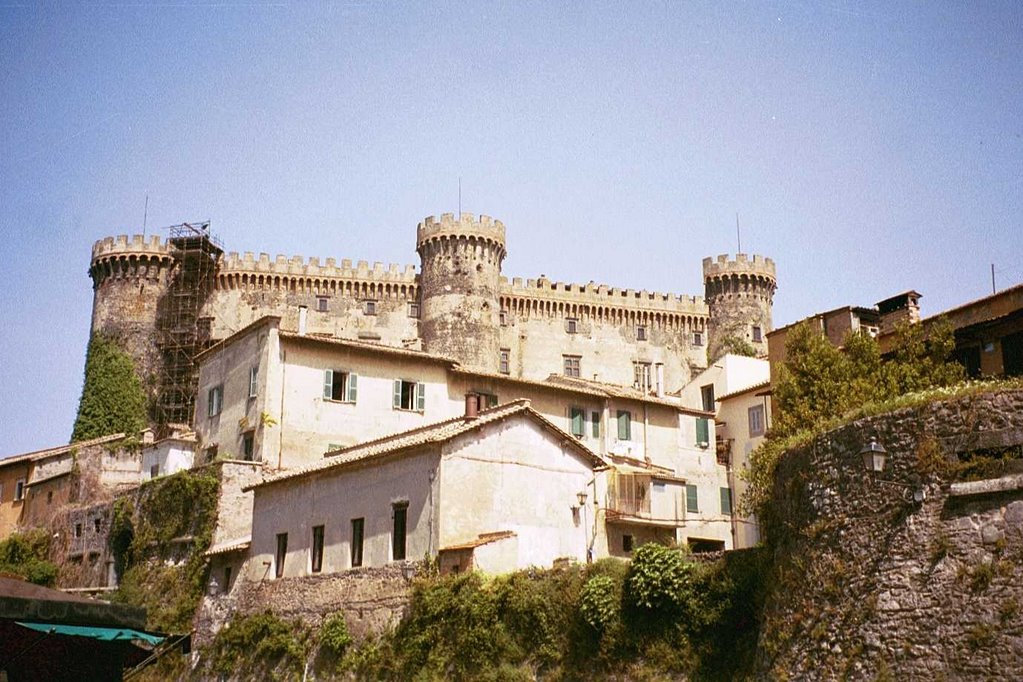
One day we drove East of Rome, just taking back roads to look at the little villages and old buildings. We stopped for a mid-afternoon snack in a village square under the shadow of the Castella D’Orsini which had four little restaurants side by side. We spent a little time walking around and also choosing one of the cafes for coffee, wine and a snack. They were all quite different in décor, menus and style. Eventually we chose one and ordered. It wasn’t until I decided to use the toilets that we found they were all interconnected at the rear – one kitchen, one toilet, one family, four cafes.


Lorraine wasn’t impressed at the walking involved in seeing Ancient Rome, so while she relaxed at "home" I took the train to Rome. I knew from the trip to the Vatican which ticket I needed to buy at Anguillara, so I waited patiently behind an ancient character at the ticket window for my turn. He was doing something that involved much gesturing and filling out of forms very carefully. And very slowly. I started to worry that I would miss the train. Then the train came into the station, I finally got to the window, thrust the correct change in the ticket-sellers hand, grabbed my ticket and ran to just catch the train as it left the station – in the wrong direction.

It’s an interesting and scenic train trip to Viterbo – but a long way round to get to the Colosseum; yep, a funny thing to happen on the way to the Forum.

I eventually got there – but more about that in the next post.

Cheers. Alan

Saturday, November 04, 2006

The Vatican


It' s a really odd feeling when you live in a vast country like Australia, with thousands of kilometres of empty interior, no land borders and not many people, to discover the smaller countries of Europe. There were countries like Slovenia, Belgium, Switzerland and the Netherlands that we could easily have driven across in a day - and sometimes did. But even they were big compared to the tiny Principalities. During our travels we passed through, and occasionally stopped for a coffee or a meal in, Monaco and Luxembourg but even those were bigger than the Vatican.


Some land areas in square km to put that in context:
USA 9,809,386
Australia 7,682,300
Belgium 30,520
Luxembourg 2,586
Vatican 0.44

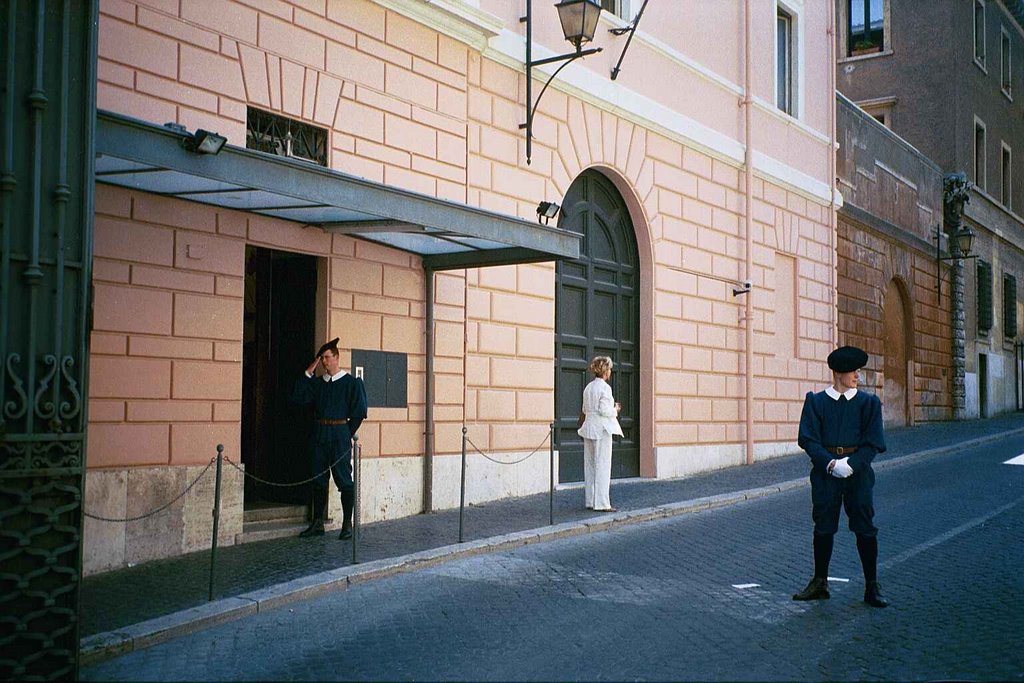
These Swiss Guards (it must have been the day they were washing those colourful uniforms) were there to make sure you were reminded that you were entering a foreign country.

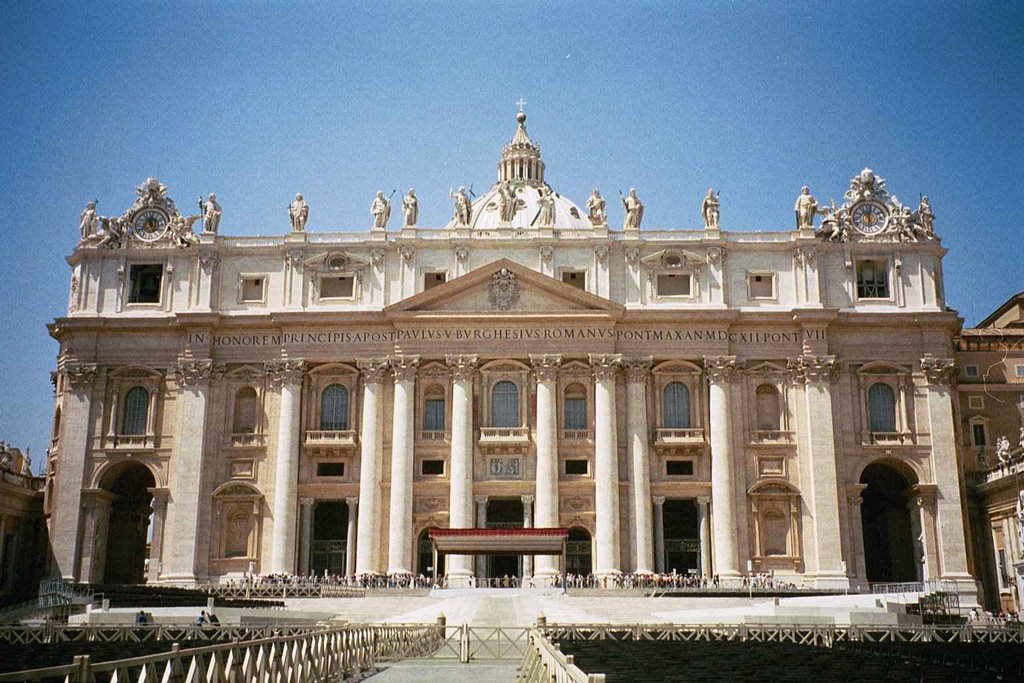
We decided to see St Peters first. As you'd expect, it is big - compare the statues on the roof with the people below. It was an unseasonably stifling, sticky, hot May day continuing the heat wave that started back in Buonconvento with our legally unavailable air-conditioning. The line was not incredibly long - but moved incredibly slowly. When we finally got to the head of the queue after over an hour they were conducting a security check - very slowly but not particularly well.

We finally passed security and asked the guard where the Ladies facilities were; he pointed to a doorway and opened a gate for her to go through, so I waited outside. When she came back the same guard made it clear that we were now outside security and had to go back to the start of the queue. It's just as well I'm an atheist; if I had been a believer a bolt of lightning would have struck me immediately for what I was leaving unsaid about St Peters and it's staff at that moment. But sanity prevailed and I said nothing - thankfully the queue had become shorter second time around. The guard was alive and well later as we left - so it must be true - atheist's prayers aren't answered.

By the time we left St Peters we were cutting it fine to see the Vatican Museum and the Sistine Chapel. For some reason, instead of providing direct access from St Peters we had to walk from one side of the country to the other - literally - to get to the entry; it led to our viewing being a bit rushed.


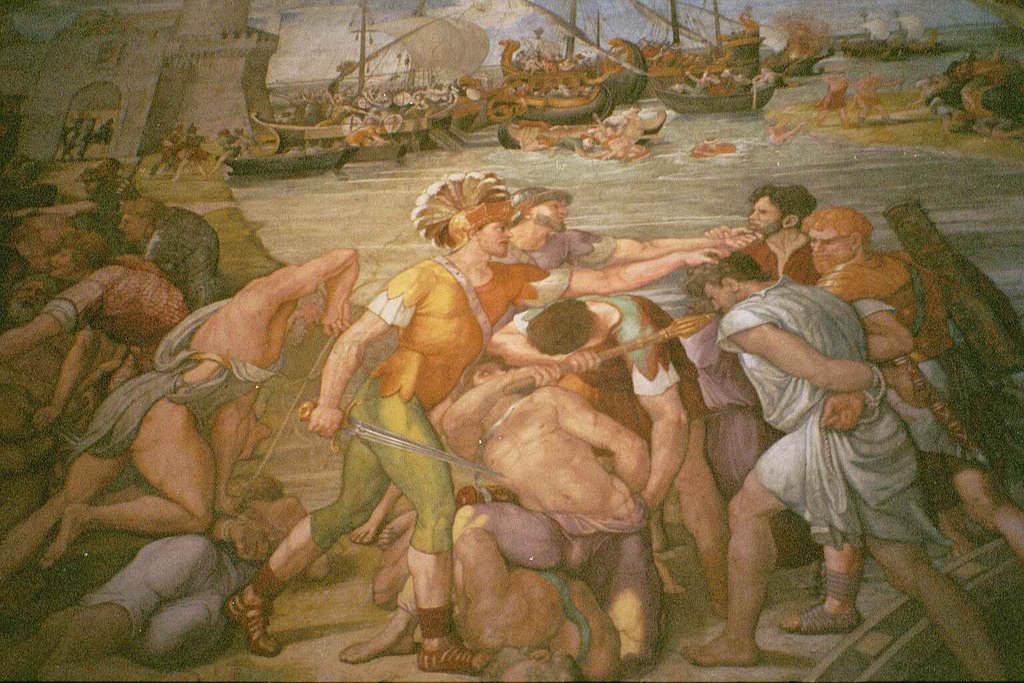
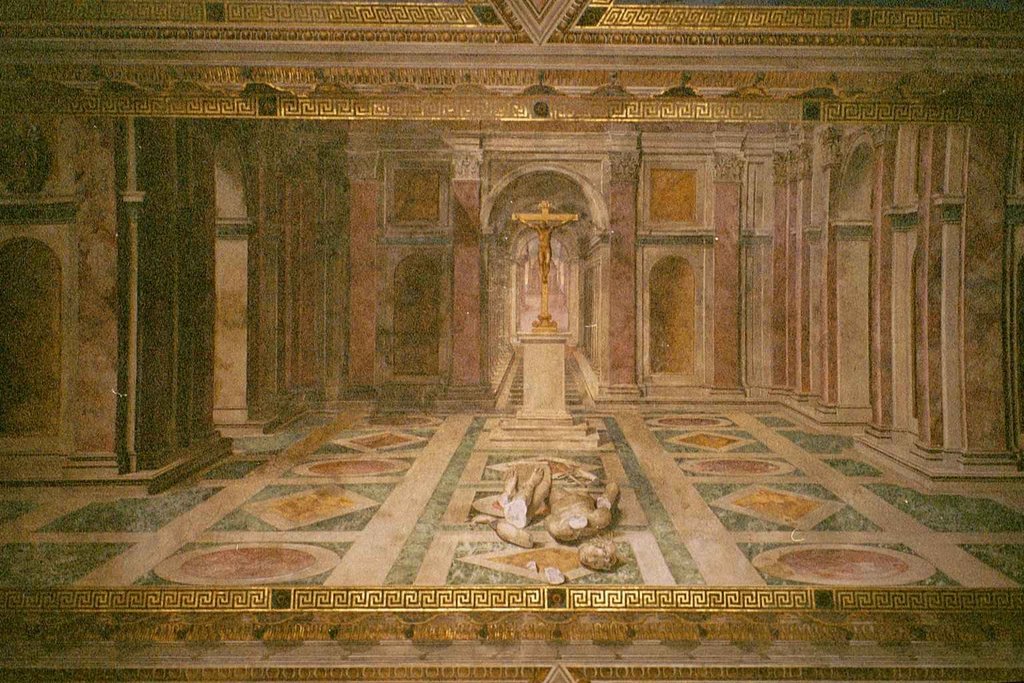
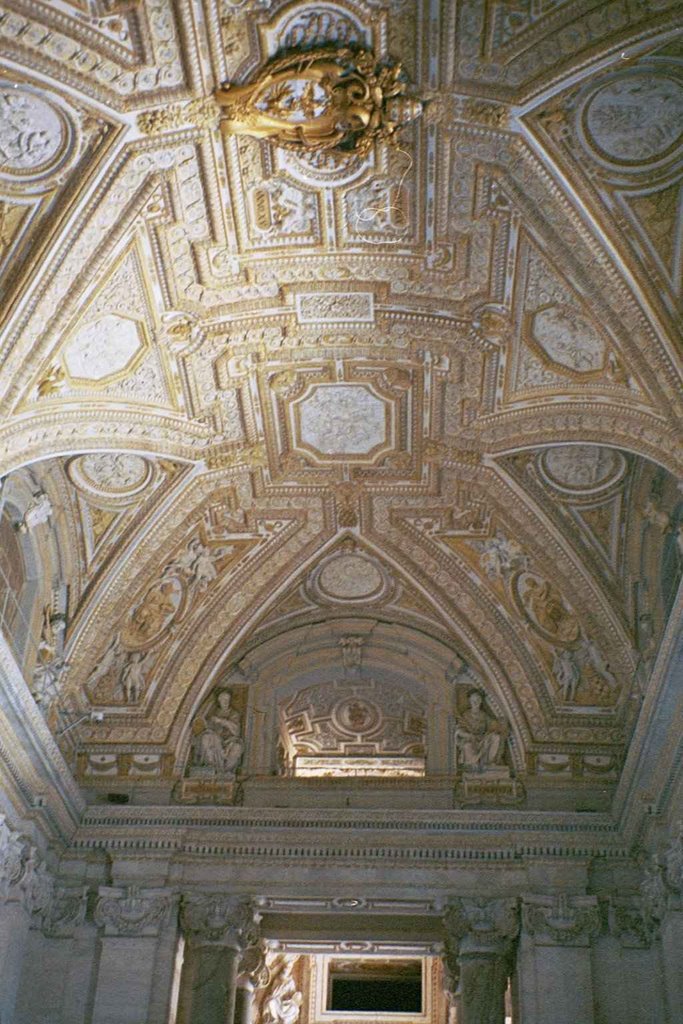
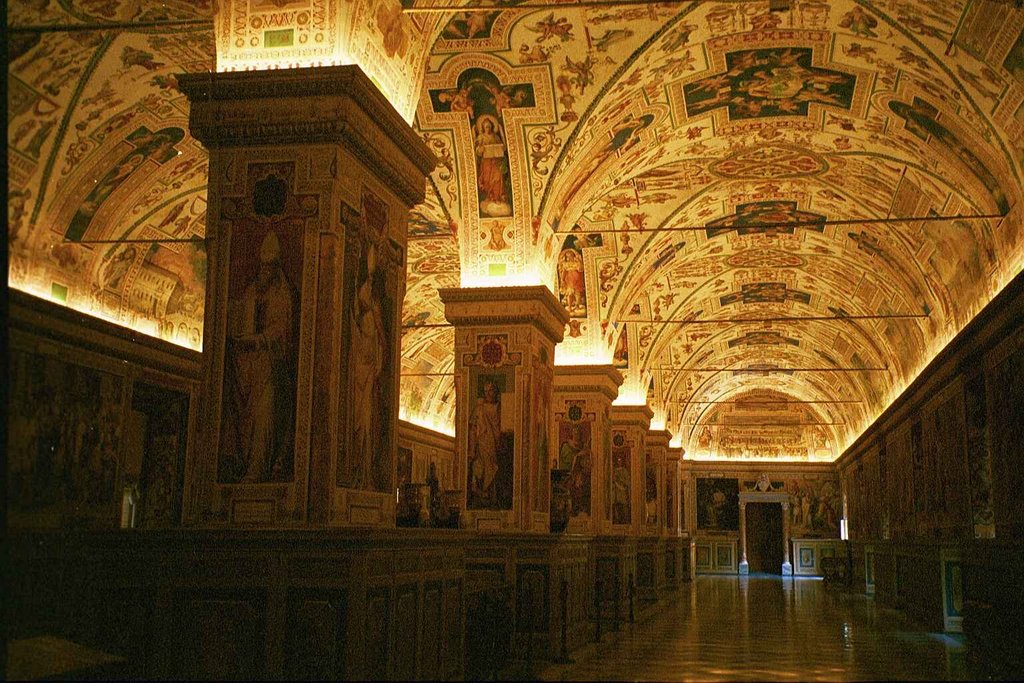
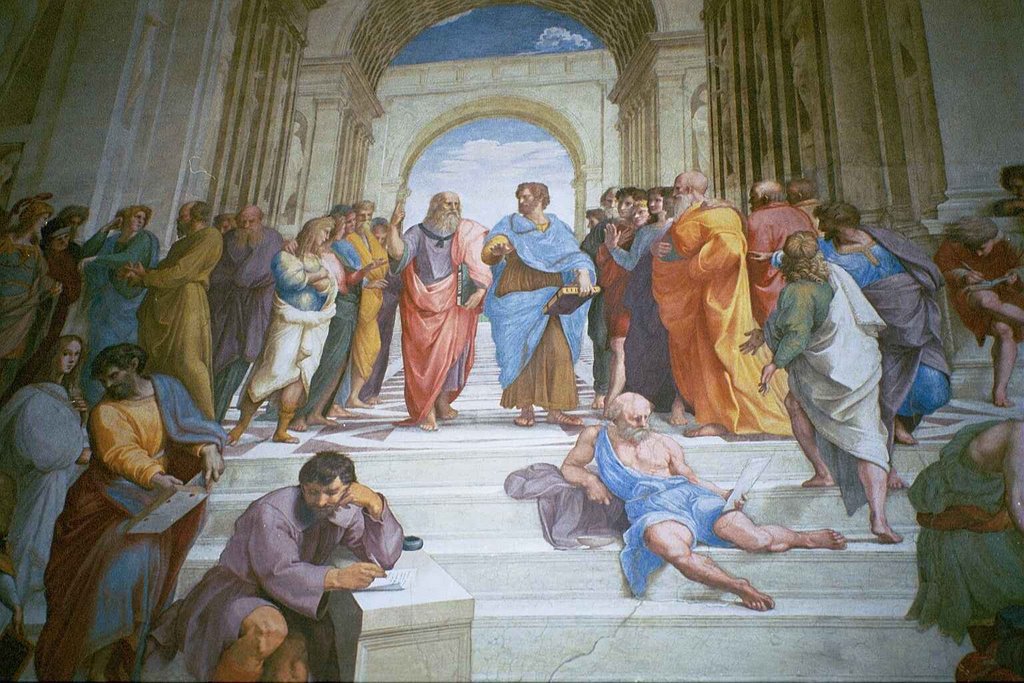
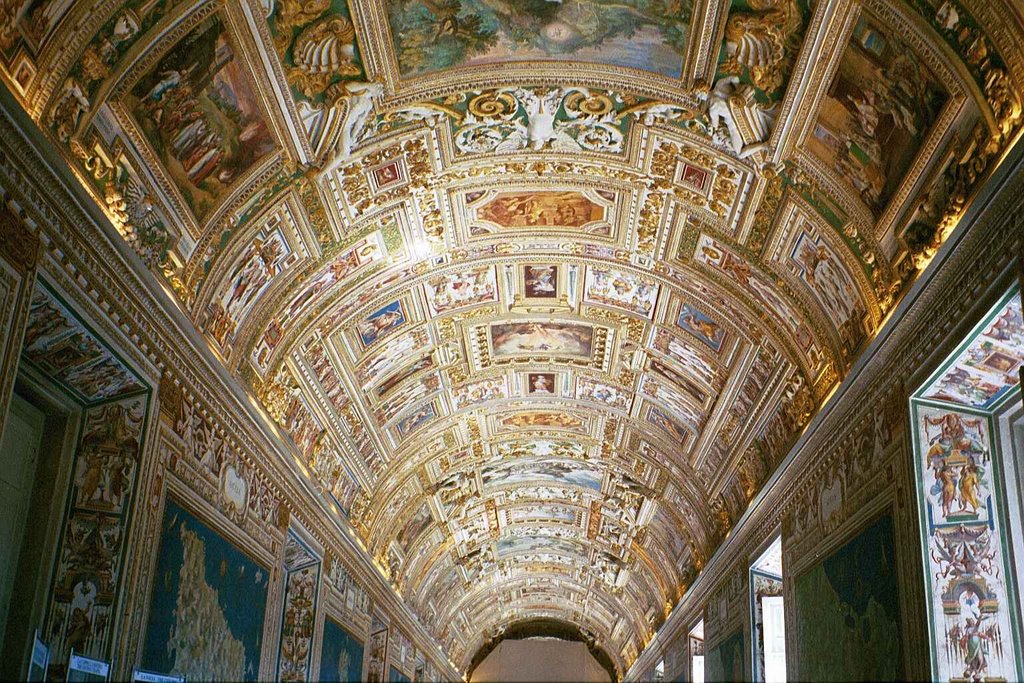
Some of the photographs were damaged later - but even so, that visit is etched in my mind. Those magnificent, opulent, gorgeous and fascinating ceilings. I wanted to lie on my back and stare up. Of course, I didn't, but I did leave with a sore neck.


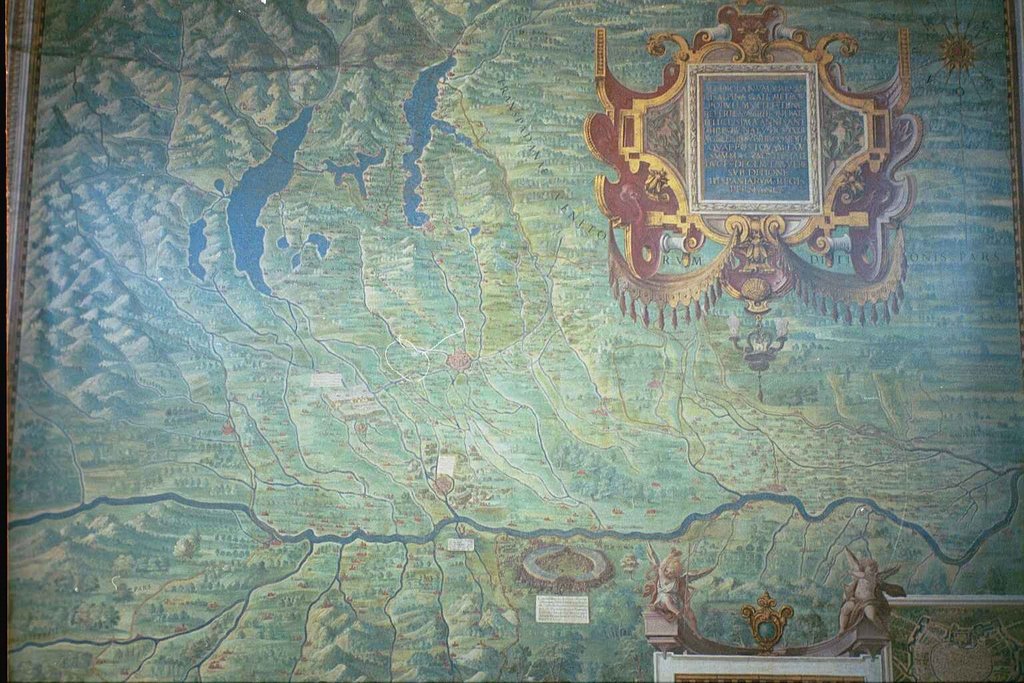
The art and other objects on the walls were also interesting, especially the ancient maps, but it was the ceilings I remember today - culminating, of course, in the Sistine Chapel.

I left musing on genius; with the enormous strides in all the sciences, and a population over ten times the world of Michelangelo, Leonardo Da Vinci and Galileo, it seems strange that we don't also have ten times the number of people of true genius. There are probably more than Hawking and Einstein, but I doubt we could come up with thirty or forty over the past 150 years. And I find it difficult to include many of the modern paintings I've seen in the same category as Michaelangelo, Da Vinci, and the other masters of pre-industrial times; but then, as I said previously - I'm probably a philistine.

Cheers, Alan